
Step inside the world of Japanese interior design to discover the tranquil allure of traditional home entrances.
Disclosure: This post contains affiliate links. We may earn a commission at no extra cost to you.
What makes the Japanese home entrance unique?
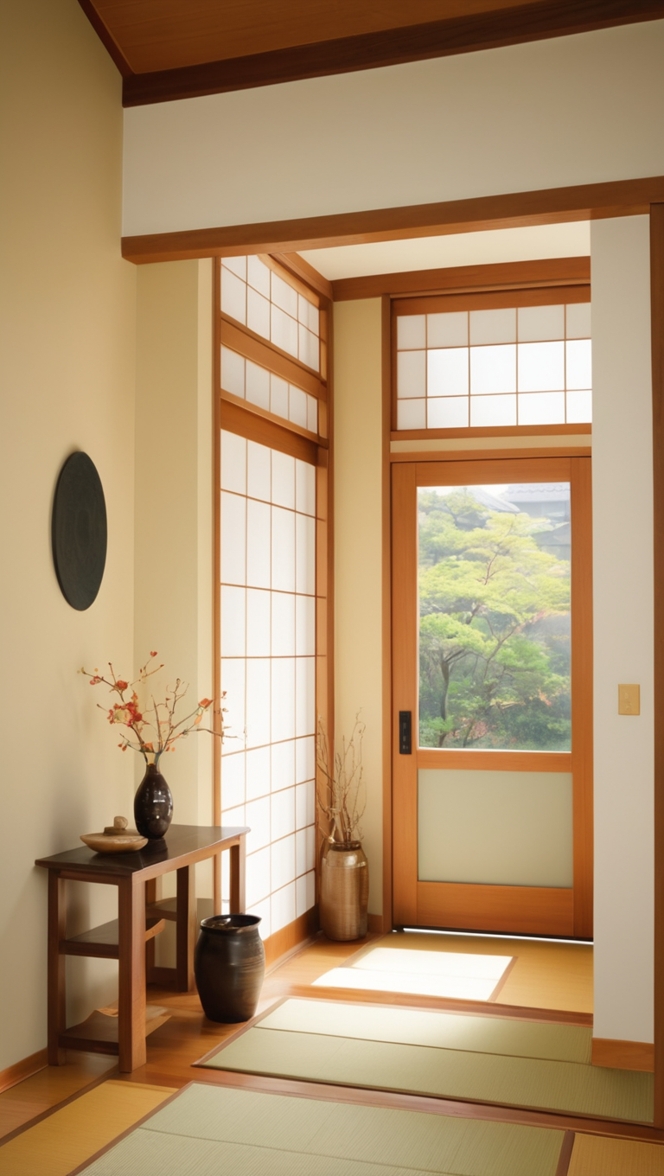
Japanese home entrances are characterized by their simplicity, functionality, and focus on cleanliness. They often feature genkan, a sunken entryway where shoes are removed before entering the main living area. This practice helps keep the home clean and organized. Adding a shoe rack and slippers can enhance the functionality of the entrance. Incorporating elements like shoji screens or bamboo accents can bring traditional Japanese aesthetics to the space.
What makes the Japanese home entrance unique?
As a homeowner who has always been fascinated by Japanese architecture and design, I have often pondered the question of what makes the Japanese home entrance so unique. The Japanese take great pride in their homes, and the entrance is considered a crucial element in creating a welcoming and harmonious living space. Here, I will delve into the various aspects that contribute to the distinctiveness of Japanese home entrances.
Architectural Features
Japanese home entrances are characterized by their simplicity and elegance. One of the most striking features is the genkan, a sunken entrance area where shoes are removed before entering the main living space. This practice not only keeps the home clean but also symbolizes a separation between the outside world and the intimate interior of the home. Additionally, sliding doors, known as fusuma and shoji, are commonly used to divide spaces and create a sense of openness.
Cultural Influences
Japanese cultural norms heavily influence the design of home entrances. The concept of omotenashi, or hospitality, is deeply ingrained in Japanese society. As a result, the entrance is often meticulously maintained and decorated to create a welcoming atmosphere for guests. The use of natural materials such as wood and stone reflects the Japanese appreciation for nature and simplicity.
Rituals and Practices
There are specific rituals and practices associated with Japanese home entrances, such as the custom of bowing when entering and leaving a home. This gesture is a sign of respect and humility, reinforcing the importance of etiquette in Japanese culture. Additionally, the placement of a decorative alcove, or tokonoma, near the entrance is common and is used to display seasonal flowers or artwork.
Materials and Construction
Japanese home entrances are constructed using a combination of traditional and modern materials. Wood is a predominant material due to its warmth and natural beauty, while stone and bamboo are also commonly used. The meticulous craftsmanship and attention to detail in the construction of Japanese home entrances reflect the Japanese dedication to precision and quality.
Hospitality and Design
The concept of hospitality plays a significant role in the design of Japanese home entrances. The layout and decor are carefully curated to create a serene and inviting atmosphere for both residents and guests. The use of minimalist design, natural light, and traditional elements such as sliding doors and tatami mats all contribute to the overall sense of harmony and tranquility in a Japanese home entrance.
Historical and Traditional Elements
Japanese home entrances are steeped in history and tradition. Architectural elements such as the torii gate, which symbolizes the transition from the mundane to the sacred, are often incorporated into the design of home entrances. Additionally, the use of auspicious symbols and motifs, such as the pine tree and crane, are believed to bring good luck and prosperity to the home.
In conclusion, the Japanese home entrance is a reflection of the rich cultural heritage and design philosophy of Japan. Its unique architectural features, cultural influences, rituals, materials, and historical elements all contribute to creating a harmonious and welcoming space that embodies the essence of Japanese hospitality and aesthetics.
Exploring Unique Japanese Home Entrance Ideas
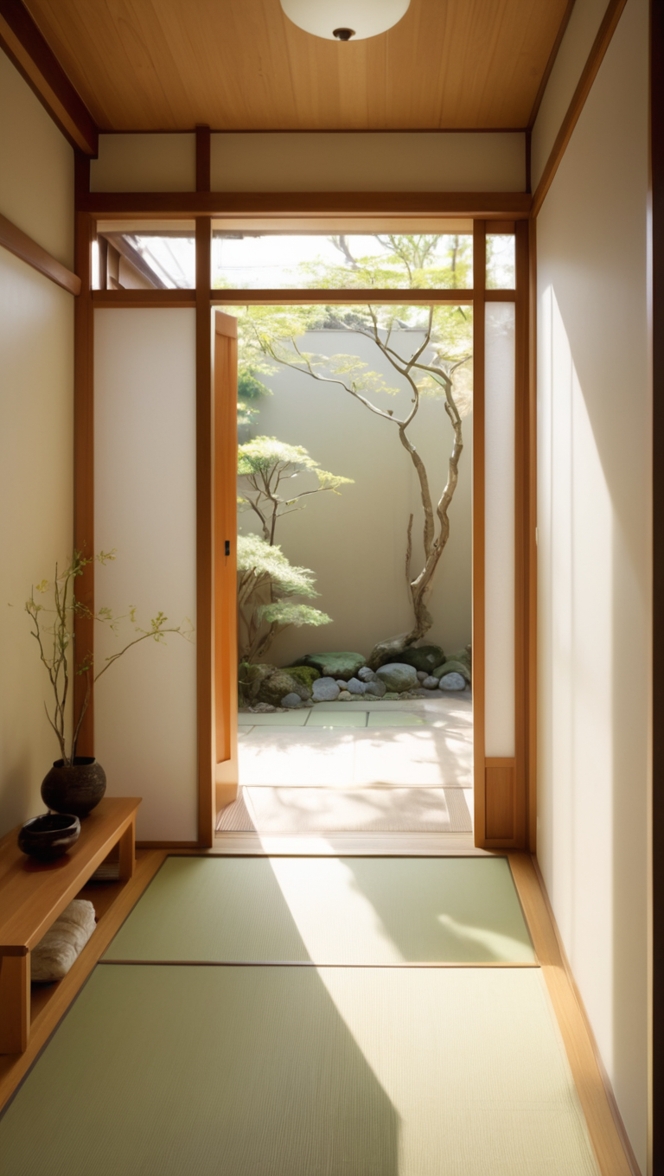
The Japanese home entrance is a fascinating space that reflects the country’s culture and design principles. In this article, we will delve into 12 innovative ideas to elevate your home entrance with a touch of Japanese style. From traditional elements to modern twists, these ideas will inspire you to create a unique and welcoming entrance for your home.
1. Zen-Inspired Entryway
Create a calming and serene entrance by incorporating elements of Zen design. Use natural materials like wood and stone, add a small indoor garden or water feature, and keep the space clutter-free to evoke a sense of tranquility.
2. Tatami Mat Flooring
Add a touch of traditional Japanese flooring with tatami mats. These woven straw mats not only provide a soft and comfortable surface for walking but also add an authentic Japanese touch to your entrance.
3. Fusuma Sliding Doors
Divide your entrance from the rest of the house with elegant fusuma sliding doors. These paper-covered sliding doors can be customized with intricate designs or artwork to add a touch of sophistication to your home entrance.
4. Wabi-Sabi Decor
Embrace the beauty of imperfection with wabi-sabi decor in your entrance. Incorporate weathered wood, handmade pottery, and natural textures to create a rustic and organic look that celebrates the beauty of aging and patina.
5. Minimalist Shoe Storage
Keep your entrance clutter-free and organized with minimalist shoe storage solutions. Install a sleek shoe rack or opt for hidden storage compartments to neatly tuck away footwear and maintain a clean and streamlined entrance.
6. Shoji Screen Divider
Add a touch of Japanese elegance with a shoji screen divider in your entrance. These traditional paper screens allow light to filter through while providing privacy and a sense of separation within the space.
7. Ikebana Floral Arrangements
Bring a touch of nature and artistry to your entrance with ikebana floral arrangements. These minimalist and harmonious flower compositions can add a pop of color and beauty to your home entrance, reflecting the Japanese appreciation for nature.
8. Noren Door Curtains
Add a splash of color and pattern to your entrance with noren door curtains. These traditional Japanese fabric dividers not only provide privacy but also serve as decorative elements that can be easily changed to update the look of your entrance.
9. Bamboo Accents
Incorporate the natural beauty of bamboo into your entrance decor. From bamboo shoe racks to bamboo wall panels, these sustainable and versatile accents can add a touch of warmth and eco-friendliness to your home entrance.
10. Monochrome Color Palette
Create a sleek and sophisticated entrance with a monochrome color palette. Choose shades of black, white, and gray to create a timeless and modern look that exudes elegance and simplicity, reflecting the Japanese aesthetic of minimalism.
11. Indirect Lighting
Illuminate your entrance with soft and indirect lighting to create a warm and inviting ambiance. Install wall sconces, hidden LED strips, or pendant lights to accentuate key features and create a welcoming atmosphere that sets the tone for the rest of your home.
12. Bonsai Tree Display
Add a touch of greenery and tradition to your entrance with a bonsai tree display. These miniature trees symbolize harmony, balance, and longevity, making them a perfect addition to your home entrance to bring a sense of calm and serenity.
By incorporating these unique Japanese home entrance ideas into your space, you can create a welcoming and stylish entry point that reflects the beauty and elegance of Japanese design. Embrace the simplicity, functionality, and aesthetic appeal of Japanese home entrances to transform your space into a tranquil and harmonious environment.