
Want to boost productivity in your home office? Discover top tips for optimizing your small workspace for efficiency and comfort.
Disclosure: This post contains affiliate links. We may earn a commission at no extra cost to you.
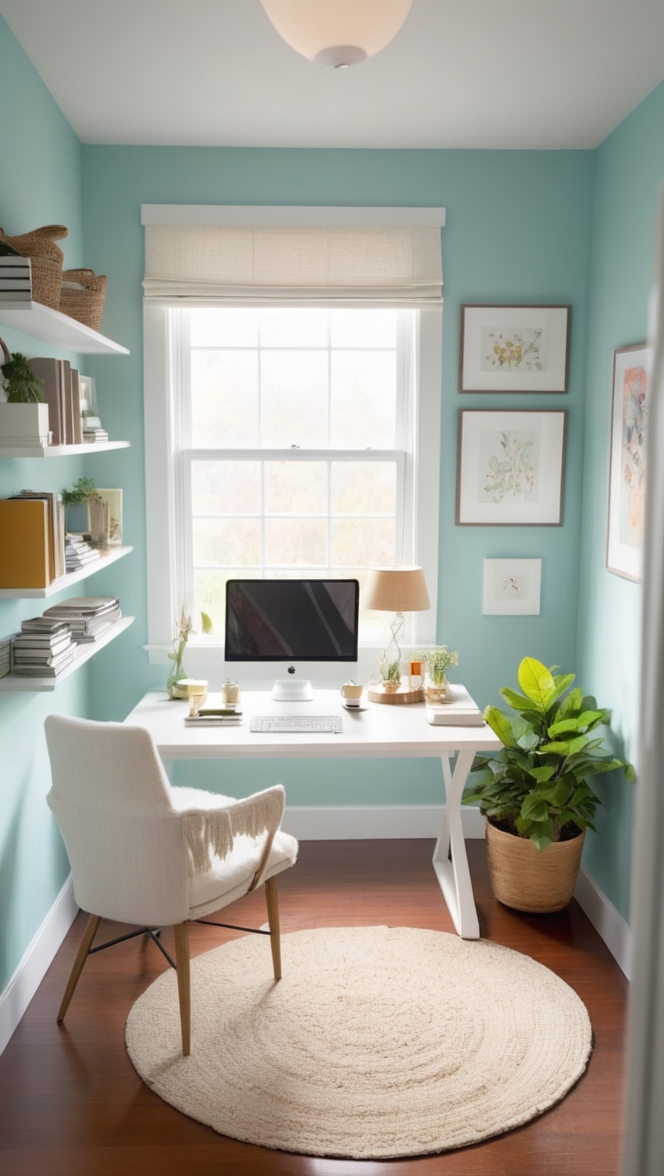
The key to optimizing a small office setup at home for maximum productivity is to prioritize functionality and organization. Consider investing in multi-functional furniture to save space and make the most of your area. Keep the space clutter-free and incorporate storage solutions such as shelves and cabinets. Utilize natural light and add plants to create a conducive work environment. Establish a routine and designate specific areas for different tasks to stay organized and focused. Consider setting up a proper ergonomic workstation to ensure comfort and prevent health issues in the long run.
As a homeowner, take the opportunity to incorporate your personal style into the design of your home office. Choose decor elements that inspire creativity and motivation, while still maintaining a professional atmosphere. Experiment with color schemes, textures, and accessories that reflect your taste and make the space feel inviting. Be mindful of the size of the room and avoid overcrowding it with unnecessary items. Consider adding inspirational quotes or artwork to keep you inspired throughout the workday. Regularly assess and rearrange your setup to ensure optimal functionality and comfort.
By combining practicality with creativity, you can create a small office setup at home that not only enhances productivity but also reflects your unique aesthetic preferences.
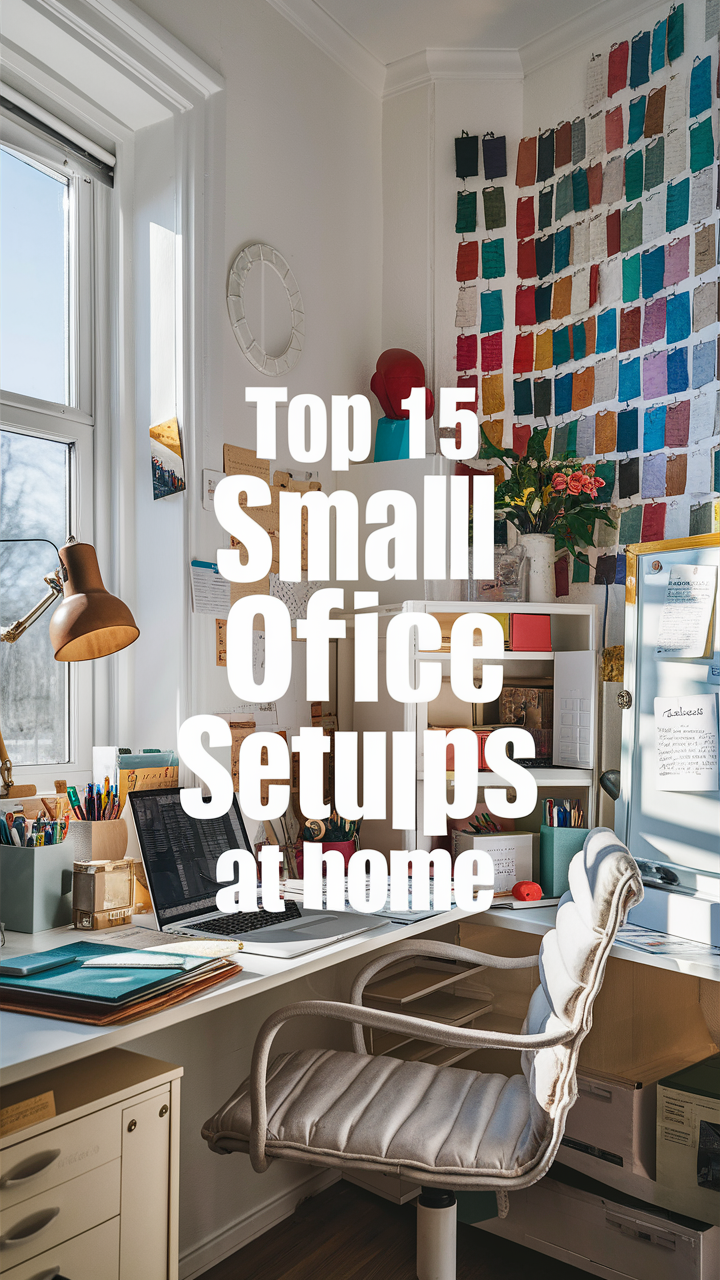
How can I optimize my small office setup at home for maximum productivity?
Working from home has become increasingly common, and having an efficient office setup is crucial for productivity. As a homeowner who has optimized my small office setup, I can share some valuable insights on how to create a productive workspace at home.
1. What is the best layout for a small home office?
When setting up a small home office, consider the layout that best suits your work style. For example, placing your desk near a window can provide natural light and a view for inspiration. Keep the layout simple and organized to minimize clutter and distractions.
2. How can I minimize distractions in my home office?
To minimize distractions, designate a dedicated workspace in your home that is separate from high-traffic areas. Use noise-cancelling headphones or background music to block out noise. Set boundaries with family members to respect your work time.
3. What are the essential tools and equipment needed for a productive home office setup?
Invest in a comfortable chair, a reliable computer or laptop, a good quality monitor, a functional desk, and ergonomic accessories like a keyboard and mouse. Consider adding storage solutions like shelves or cabinets to keep your workspace organized.
4. How can I create a comfortable and ergonomic workspace at home?
Adjust your chair and desk height to maintain proper posture and reduce strain on your body. Use a footrest if needed and position your monitor at eye level to prevent neck strain. Take regular breaks to stretch and move around.
5. What lighting solutions work best for a small office setup?
Natural light is ideal for a home office, so position your desk near a window if possible. Use task lighting like desk lamps or overhead lights to supplement natural light. Avoid glare on screens by adjusting the angle of your monitor.
6. How can I effectively manage cables and cords in a small home office?
Use cable organizers or clips to keep cords tidy and prevent tangling. Consider using a cable management system under your desk to hide cables and create a cleaner workspace. Label cords for easy identification.
7. Are there any tips for maximizing storage space in a small home office?
Utilize vertical space by installing shelves or wall-mounted storage units. Use storage bins or baskets to keep items organized and easily accessible. Consider a filing cabinet or drawer organizer for paperwork and office supplies.
By addressing these questions and implementing practical solutions, you can optimize your small office setup at home for maximum productivity. With a well-organized and efficient workspace, you can enhance your focus, creativity, and overall work performance.
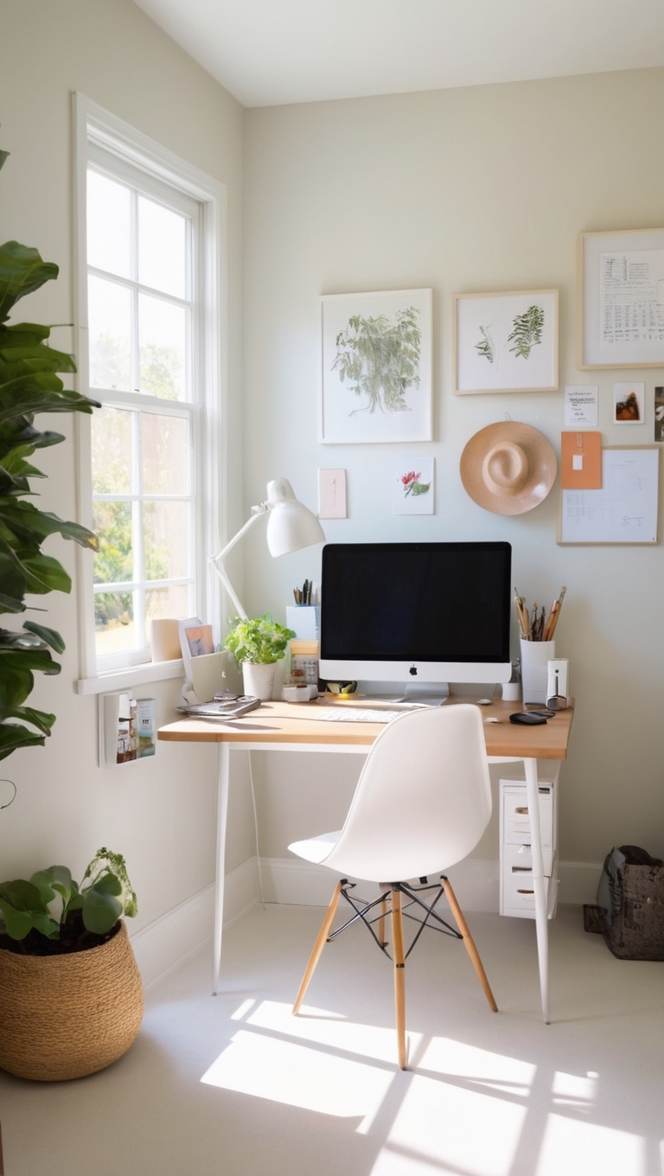
When optimizing a small office setup at home for maximum productivity, it’s essential to prioritize functionality and organization. Investing in multi-functional furniture can help save space and make the most of your area. Consider pieces like a desk with built-in storage or a foldable table that can be easily tucked away when not in use. By choosing furniture that serves multiple purposes, you can create a more efficient workspace.
Clutter can be a major productivity killer, so it’s crucial to keep your home office space organized. Utilize storage solutions such as shelves, cabinets, and bins to keep items neatly stored and out of sight. This will not only make your space look cleaner and more inviting but also help you stay focused and productive throughout the day.
Natural light is known to have numerous benefits, including boosting mood and productivity. Position your home office desk near a window to take advantage of natural light during the day. If your workspace lacks natural light, consider adding task lighting or a desk lamp to ensure adequate lighting for work tasks.
Plants can also enhance the atmosphere of your home office and contribute to a more productive work environment. Choose low-maintenance plants like succulents or snake plants that can thrive indoors with minimal care. Not only do plants add a touch of nature to your workspace, but they can also improve air quality and reduce stress levels.
Establishing a routine and designating specific areas for different tasks can help you stay organized and focused while working from home. Create a daily schedule that outlines your work hours, breaks, and tasks to ensure a productive workflow. Having dedicated spaces for activities like brainstorming, focused work, and meetings can help you stay on track and avoid distractions.
Ergonomics play a crucial role in maintaining comfort and preventing health issues when working from home. Invest in a comfortable office chair that supports your posture and a desk that allows you to work at the correct height. Consider using a standing desk or a monitor riser to vary your posture throughout the day and reduce the strain on your body.
When designing your home office, don’t be afraid to incorporate your personal style into the space. Choose decor elements that inspire creativity and motivation, such as artwork, photos, or motivational quotes. Experiment with color schemes and textures that reflect your taste and make the space feel inviting and personalized.
To avoid overcrowding your home office, be mindful of the size of the room and prioritize essential items. Keep only the necessary tools and supplies within reach and store less frequently used items in designated storage areas. This will help maintain a clean and organized workspace that promotes productivity and focus.
Regularly assess and rearrange your home office setup to ensure optimal functionality and comfort. Consider making adjustments based on your changing work needs and preferences. By continually refining your workspace, you can create a small office setup at home that not only enhances productivity but also reflects your unique aesthetic preferences.
In conclusion, optimizing a small office setup at home for maximum productivity requires a balance of functionality, organization, and personal style. By prioritizing practicality, creativity, and comfort, you can create a workspace that supports your work goals and reflects your individuality. Implementing these ideas can help you create a productive and inspiring home office environment that boosts your efficiency and creativity.