
Looking to transform your living space into a traditional Japanese minimalist oasis? Dive in to discover how!
Disclosure: This post contains affiliate links. We may earn a commission at no extra cost to you.
How can I achieve a Japanese minimalist living room?
Japanese Minimalist Living Room
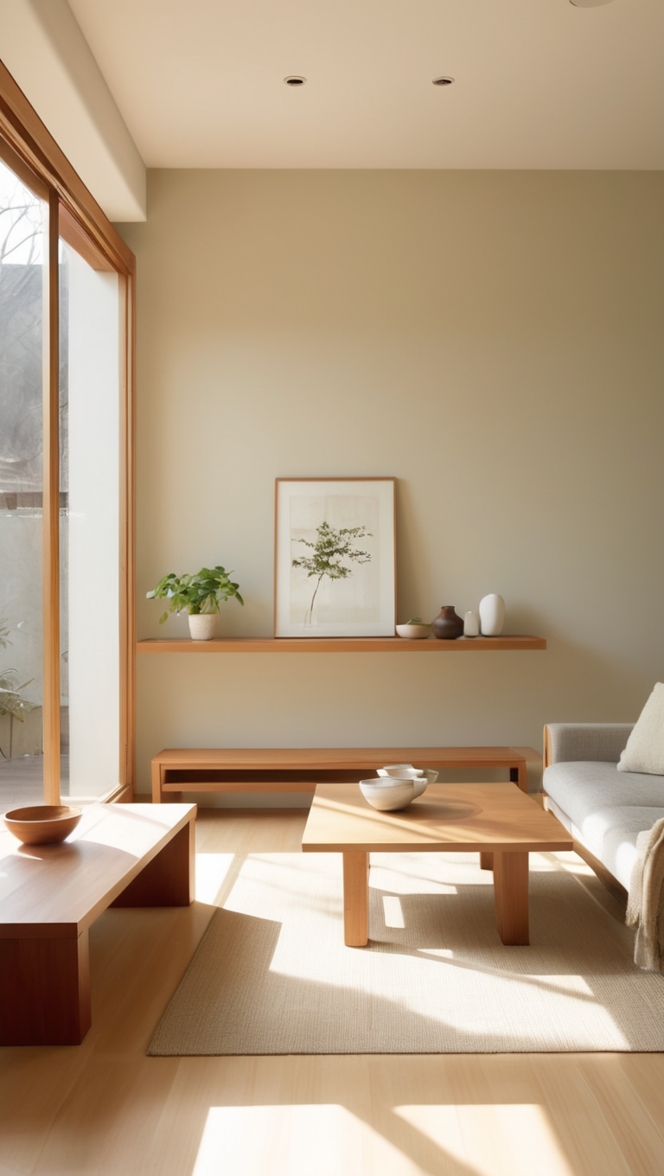
To achieve a Japanese minimalist living room, start by decluttering and keeping only essentials. Use neutral colors, natural materials like wood and bamboo, and incorporate traditional Japanese elements such as shoji screens or tatami mats. Add a few well-chosen decorative items like bonsai trees or ikebana arrangements for a touch of nature. Embrace simplicity and strive for balance in your design choices. Organize your space efficiently to maintain the minimalist aesthetic.
How can I achieve a Japanese minimalist living room?
1. What are the key elements of a Japanese minimalist living room?
As a homeowner aspiring to create a Japanese minimalist living room, I have discovered that simplicity, functionality, and natural elements are crucial. To achieve this style, I focus on clean lines, minimal furniture, and uncluttered spaces. Incorporating elements like tatami mats, shoji screens, and bonsai plants helps create a serene and peaceful atmosphere in the room.
2. How can I declutter and simplify my living space to achieve a minimalist look?
To declutter and simplify my living space, I follow the principles of Marie Kondo’s KonMari method. I carefully assess each item in the room and only keep things that spark joy or serve a specific purpose. By organizing and storing items efficiently, I create a space that feels open and uncluttered, allowing for better flow and energy in the room.
3. What color palette should I use to create a Japanese minimalist living room?
For a Japanese minimalist living room, I opt for a neutral color palette consisting of whites, creams, grays, and earth tones. These colors create a sense of calmness and simplicity, allowing the natural elements in the room to stand out. I also incorporate pops of color sparingly through accent pieces like cushions or artwork to add visual interest without overpowering the space.
4. How can I incorporate natural materials and textures into my living room decor?
To bring a sense of nature indoors, I use natural materials like wood, bamboo, stone, and paper in my living room decor. These materials add warmth and texture to the space while maintaining a minimalist aesthetic. I choose furniture and decor items made from these materials to create a harmonious blend of nature and design in the room.
5. What furniture pieces are essential for a Japanese minimalist living room?
In a Japanese minimalist living room, less is more when it comes to furniture. I prioritize functional pieces like low dining tables, floor cushions, and simple seating options. I avoid bulky or ornate furniture and opt for pieces with clean lines and natural finishes. By keeping furniture to a minimum, I create a spacious and open environment that promotes relaxation and mindfulness.
6. How can I create a sense of harmony and balance in my living room design?
To achieve harmony and balance in my living room design, I pay attention to the placement of furniture and decor items. I follow the principles of feng shui to create a layout that promotes positive energy flow and a sense of tranquility. By arranging furniture in a way that allows for easy movement and clear pathways, I create a space that feels balanced and harmonious.
7. Are there any specific cultural influences I should consider when designing a Japanese minimalist living room?
When designing a Japanese minimalist living room, I consider traditional Japanese design elements like wabi-sabi (the beauty of imperfection), zen philosophy, and the concept of ma (negative space). These cultural influences guide my design choices and help me create a space that reflects the simplicity and elegance of Japanese aesthetics. By incorporating these cultural elements into my living room, I create a space that feels authentic and true to the Japanese minimalist style.
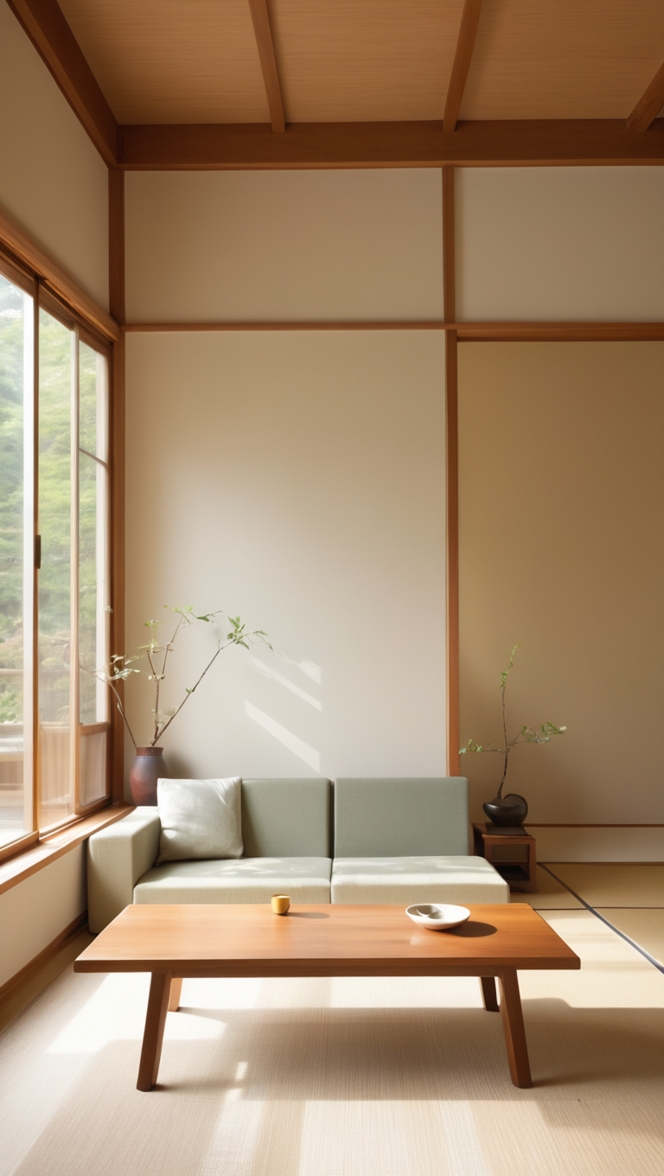
Here are some additional ideas for achieving a Japanese minimalist living room:
1. Incorporate sliding doors (fusuma) or screens (shoji) to separate spaces and add an authentic Japanese touch to your room.
2. Choose furniture with clean lines and simple designs to maintain a minimalist look.
3. Use low-profile furniture like floor cushions (zabuton) and meditation stools (seiza) for seating options.
4. Opt for natural lighting and minimal window treatments to create a serene atmosphere.
5. Select a color palette inspired by nature, such as soft greens, earthy browns, and peaceful blues.
6. Integrate a tokonoma, a traditional alcove for displaying art or seasonal decorations, as a focal point in the room.
7. Include a tatami area rug or tatami flooring to add texture and warmth to the space.
8. Add paper lanterns (akari) or bamboo blinds for soft, diffused lighting and privacy.
9. Display a collection of bonsai trees or bamboo plants to bring a touch of nature indoors.
10. Hang calligraphy scrolls or traditional Japanese artwork on the walls for an artistic flair.
11. Use minimalistic storage solutions like built-in cabinets or wall-mounted shelves to keep clutter at bay.
12. Embrace the concept of wabi-sabi, finding beauty in imperfection and simplicity, to enhance the overall aesthetic of your Japanese minimalist living room.
By incorporating these ideas and staying true to the principles of Japanese minimalism, you can create a peaceful and harmonious living space that promotes relaxation and mindfulness.