
Dive into the world of cinematic color grading to explore the techniques that make movie palettes visually striking.
Disclosure: This post contains affiliate links. We may earn a commission at no extra cost to you.
What makes the cinematic color palette so visually captivating?
Cinematic Color Palette
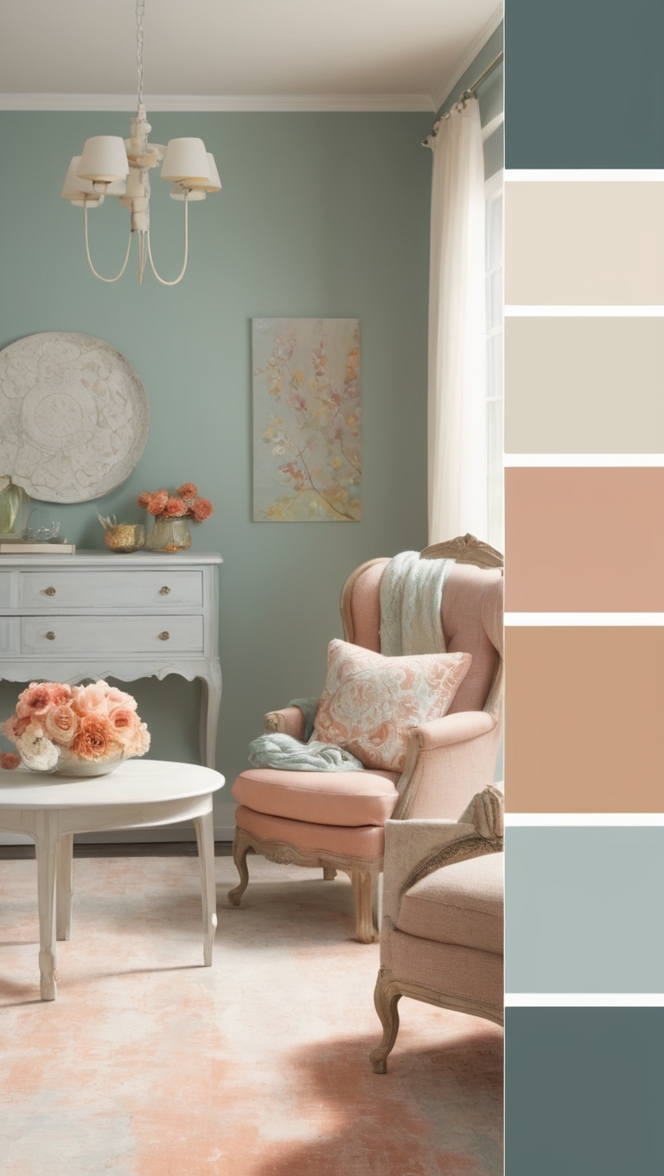
As a homeowner exploring my own décor ideas, I find the use of a cinematic color palette to be visually captivating due to its ability to evoke emotions and create a cohesive theme in a space. By incorporating a range of colors inspired by films, such as rich blues, warm oranges, and deep greens, one can achieve a dynamic and engaging atmosphere. To effectively implement a cinematic color palette, one should consider the lighting in the room, the mood they wish to convey, and the balance of colors to avoid overwhelming the space. Additionally, incorporating textures and patterns that complement the chosen colors can enhance the overall aesthetic. Experimenting with this color scheme can bring a sense of drama and sophistication to any room, making it a bold yet rewarding choice.
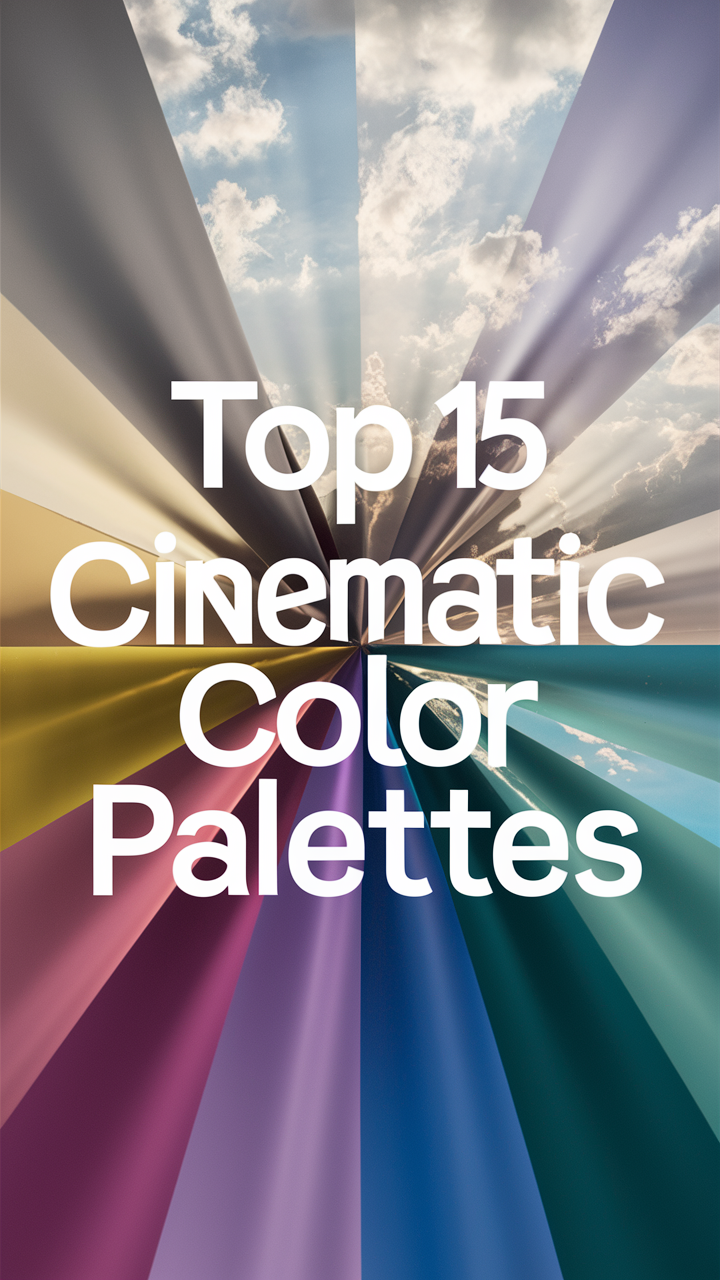
The cinematic color palette plays a crucial role in creating visually captivating films that evoke emotions and enhance storytelling. Filmmakers use color strategically to set the tone, mood, and atmosphere of their films, influencing the audience’s perception and emotional response. Color theory, which explores the relationships between colors and their psychological effects, is a fundamental aspect of creating a visually appealing cinematic experience.
In cinema, colors are not merely used for aesthetic purposes but are powerful tools that help convey emotions, themes, and character traits. By manipulating color palettes, filmmakers can evoke specific emotions in the audience, such as warmth, tranquility, tension, or fear. For example, warm colors like red and orange can create a sense of passion or intensity, while cool colors like blue and green can evoke calmness or melancholy.
Different color palettes can also play a significant role in setting the overall tone of a film. For instance, a film with a predominantly monochromatic color scheme may create a sense of nostalgia or timelessness, while a vibrant and saturated color palette can convey energy and excitement. By carefully selecting colors and their combinations, filmmakers can enhance the visual impact of their films and create a more immersive viewing experience.
The choice of color palette in a film can also influence the storytelling and character development. Colors can be used symbolically to represent character traits or emotional states. For example, a character dressed in black may signify mystery or villainy, while a character wearing white may represent purity or innocence. By using color symbolism, filmmakers can communicate subtle messages to the audience and deepen the narrative of the film.
Certain color combinations are often used to create a sense of harmony or discord in movies. Complementary colors, which are opposite each other on the color wheel (e.g., red and green), can create a visually striking contrast that draws the viewer’s attention. Analogous colors, which are adjacent to each other on the color wheel (e.g., blue and green), can create a sense of unity and coherence in a scene.
Over the years, the use of color in cinema has evolved, reflecting changing trends and advancements in technology. From the vibrant Technicolor films of the past to the visually stunning CGI effects of modern blockbusters, color has played an integral role in shaping the visual language of cinema. Contemporary filmmakers continue to push the boundaries of color usage, experimenting with new techniques and styles to create unique and memorable cinematic experiences.
In conclusion, the cinematic color palette is a powerful tool that filmmakers use to evoke emotions, set the tone, and enhance storytelling in their films. By understanding the principles of color theory and exploring different color palettes, filmmakers can create visually captivating movies that leave a lasting impression on audiences. The strategic use of color in cinema continues to evolve, reflecting the ever-changing landscape of filmmaking and pushing the boundaries of visual storytelling.
Exploring Unique Paint Colors for Your Cinematic Color Palette
Creating a cinematic color palette in your home can truly transform the ambiance and evoke a sense of drama and sophistication. When it comes to selecting the right paint colors for this theme, it’s essential to choose hues that reflect the richness and depth seen on the big screen. Here are 12 unique paint colors inspired by cinematic elements that you can incorporate into your décor:
1. Midnight Blue (Sherwin-Williams)
Midnight Blue is a deep, moody hue that can add a sense of mystery and elegance to any room. This color is reminiscent of the night sky in a dramatic film and pairs well with metallic accents for a touch of glamour.
2. Goldenrod (Benjamin Moore)
Goldenrod is a warm, inviting yellow that exudes a sense of nostalgia and comfort. This color can bring a touch of vintage charm to your space and works well with dark wood furniture for a classic cinematic look.
3. Emerald Green (Behr)
Emerald Green is a lush, vibrant hue that can create a sense of opulence and luxury in any room. This color is perfect for creating a lush, botanical-inspired space that feels like a scene from a high-end movie.
4. Ruby Red (Farrow & Ball)
Ruby Red is a bold, passionate color that can add a sense of drama and intensity to your décor. This color works well as an accent wall or in small doses to create a striking focal point in the room.
5. Dusty Rose (Valspar)
Dusty Rose is a soft, romantic color that can bring a sense of nostalgia and charm to your space. This color pairs beautifully with vintage-inspired décor and can create a cozy, inviting atmosphere.
6. Charcoal Gray (Dunn-Edwards)
Charcoal Gray is a sophisticated, versatile color that can add depth and contrast to your cinematic color palette. This color works well as a neutral backdrop for bolder hues and can create a sense of modern elegance.
7. Indigo Ink (Glidden)
Indigo Ink is a rich, velvety blue hue that can create a sense of depth and intrigue in your space. This color is perfect for creating a moody, atmospheric room that feels like a scene from a film noir.
8. Burnt Orange (PPG Paints)
Burnt Orange is a warm, earthy color that can add a sense of energy and vitality to your décor. This color works well in eclectic or bohemian-inspired spaces and can create a vibrant, eclectic atmosphere.
9. Champagne Gold (Clark+Kensington)
Champagne Gold is a glamorous, luxurious color that can add a touch of elegance and sophistication to your space. This color works well as an accent color or in small details like trim or accessories for a subtle yet impactful look.
10. Teal Tide (Ace Hardware)
Teal Tide is a deep, oceanic color that can create a sense of calm and tranquility in your space. This color is perfect for creating a serene, coastal-inspired room that feels like a scene from a relaxing beach movie.
11. Plum Purple (Dulux)
Plum Purple is a regal, luxurious color that can add a sense of drama and sophistication to your décor. This color works well in formal spaces like dining rooms or libraries and can create a sense of opulence and grandeur.
12. Copper Penny (Valspar)
Copper Penny is a warm, metallic color that can add a touch of glamour and shine to your space. This color works well as an accent color in modern or industrial-inspired spaces and can create a sense of industrial-chic elegance.
Incorporating these unique paint colors into your cinematic color palette can truly bring your décor to life and create a visually captivating atmosphere. Experiment with different combinations and textures to achieve the perfect balance of drama and sophistication in your home. Embrace the magic of the big screen with a cinematic color palette that reflects your personal style and creates a space that feels like a scene from your favorite film.