
Discover how a graphic designer from a design firm uses color psychology for an eye-catching visual identity.
Disclosure: This post contains affiliate links. We may earn a commission at no extra cost to you.
**How can I create an eye-catching color palette design?**
**color palette design**
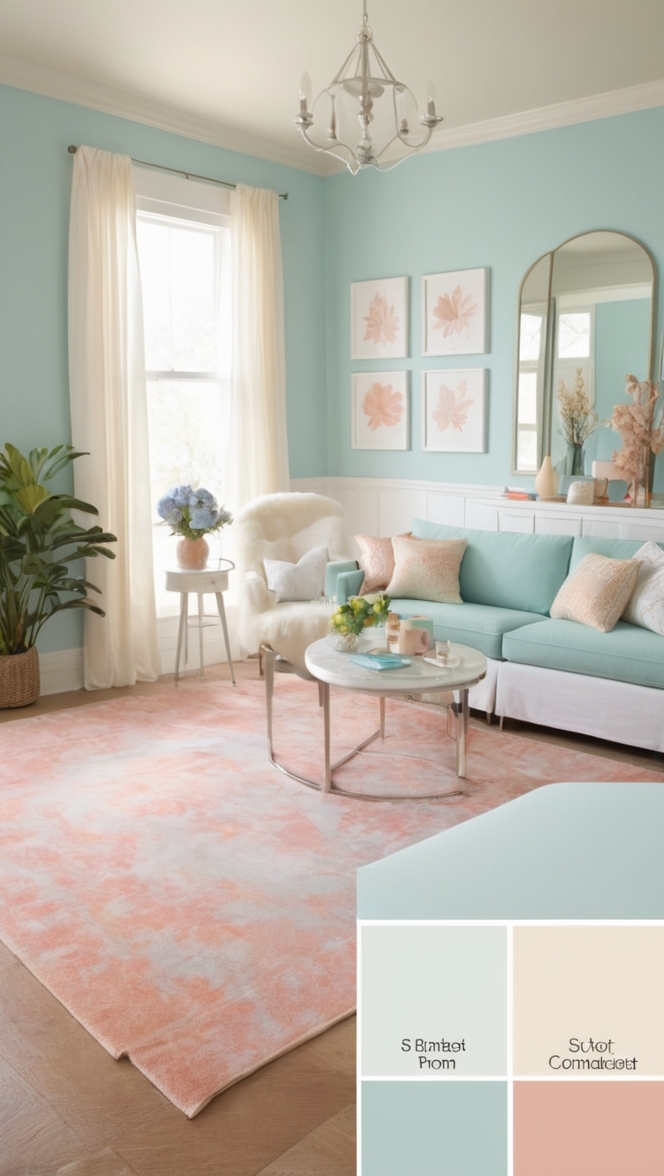
As a homeowner experimenting with home décor ideas, creating an eye-catching color palette design can transform your living space. Begin by choosing a primary color and then selecting complementary shades for a harmonious look. Consider the room’s purpose, lighting, and existing furniture when picking colors. Use color swatches or digital tools for inspiration and visualization. Experiment with different combinations and be mindful of the mood each color evokes. Be organized by creating a color scheme chart to keep track of your choices. Remember, a well-thought-out color palette can enhance the ambiance and style of your home.
How can I create an eye-catching color palette design?
1. What are the key elements of a compelling color palette design?
As a homeowner looking to create an eye-catching color palette, it’s essential to understand the key elements that make a design compelling. These elements include contrast, harmony, balance, and saturation. Contrast helps different colors stand out, while harmony ensures that they work well together. Balance is crucial to distribute colors evenly, and saturation adds depth and vibrancy to the palette.
2. How can I choose the right colors that complement each other?
When selecting colors for your palette, consider using complementary colors that are opposite each other on the color wheel. Analogous colors, which are next to each other on the wheel, can create a harmonious look. Experiment with different shades and tones to find the perfect combination that complements each other.
3. What tools or resources can help me create a visually appealing color palette?
There are several online tools and resources available to help you create a visually appealing color palette. Websites like Adobe Color, Coolors, and Canva Color Palette Generator allow you to experiment with different color combinations and create custom palettes. Additionally, Pinterest and design blogs can provide inspiration and ideas for color schemes.
4. How important is the psychology of color in creating an eye-catching design?
The psychology of color plays a significant role in creating an eye-catching design. Different colors evoke specific emotions and feelings, so understanding color psychology can help you convey the right message through your color choices. For example, blue is calming and trustworthy, while red is energetic and attention-grabbing.
5. What are some common mistakes to avoid when designing a color palette?
Some common mistakes to avoid when designing a color palette include using too many colors, neglecting contrast, and not considering the context in which the colors will be used. It’s essential to strike a balance between bold and neutral colors and ensure that the palette is suitable for the intended purpose.
6. How can I ensure that my color palette is accessible and inclusive to all users?
To ensure that your color palette is accessible and inclusive to all users, consider factors such as color blindness and visual impairments. Use tools like WebAIM’s Color Contrast Checker to test the contrast between text and background colors. Aim for a balance of light and dark shades to cater to a diverse audience.
7. How can I test and iterate on my color palette design to improve its effectiveness?
Testing and iterating on your color palette design is crucial to improving its effectiveness. Conduct usability tests with a focus group to gather feedback on the colors’ impact and readability. Make adjustments based on the feedback received and continue to refine the palette until it meets your desired goals.
How to Create an Eye-Catching Color Palette Design for Your Home
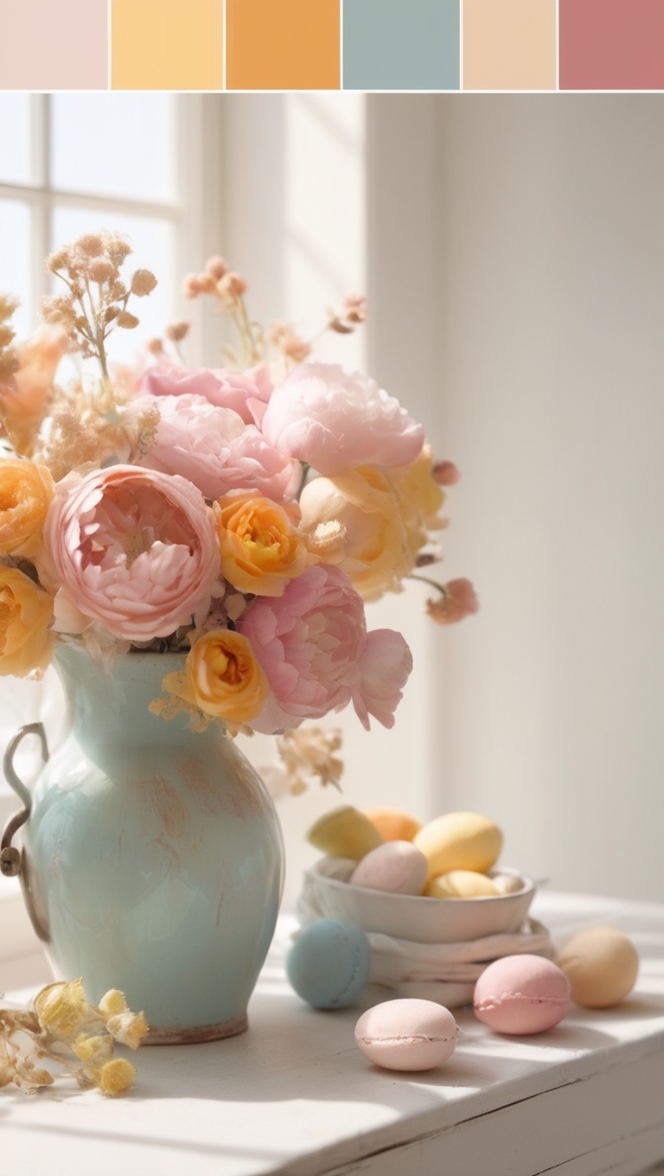
Creating a stunning color palette design for your home can completely transform the look and feel of your living space. Whether you are redecorating a room or starting from scratch, choosing the right colors is key to achieving a cohesive and visually appealing design. Here are 12 unique ideas to help you create an eye-catching color palette:
1. Start with a Primary Color
Begin by selecting a primary color that will serve as the foundation for your color palette. This color will set the tone for the room and help guide your choices for complementary shades.
2. Choose Complementary Colors
Select complementary colors that work well with your primary color. These colors should enhance and balance the overall look of the room. Consider using a color wheel to find colors that are harmonious with your primary choice.
3. Consider the Room’s Purpose
Think about the function of the room when choosing colors. For example, calming blues and greens may be ideal for a bedroom, while vibrant yellows and oranges could work well in a kitchen or dining area.
4. Take Lighting into Account
Lighting can greatly affect how colors appear in a room. Consider the natural light sources and artificial lighting in the space when selecting colors. Test paint swatches in different lighting conditions to ensure they look the way you want.
5. Coordinate with Existing Furniture
If you have existing furniture pieces that you want to keep in the room, make sure your color palette complements these items. Consider the colors of your furniture and how they will work with your chosen paint colors.
6. Use Color Swatches and Digital Tools
Utilize color swatches and online tools to help you visualize different color combinations. Many paint companies offer online tools that allow you to preview how different colors will look together in a room.
7. Experiment with Different Combinations
Don’t be afraid to try out different color combinations before making a final decision. Paint small swatches on the wall or use digital tools to see how different colors work together.
8. Consider the Mood Each Color Evokes
Think about the mood you want to create in the room. Warm colors like reds and oranges can create a cozy atmosphere, while cool colors like blues and greens can promote relaxation.
9. Create a Color Scheme Chart
Stay organized by creating a color scheme chart that outlines your chosen colors and how they will be used in the room. This will help you keep track of your choices and ensure a cohesive design.
10. Be Mindful of Color Flow
Consider how colors will flow from room to room if you are designing multiple spaces. Choose colors that work well together and create a cohesive look throughout your home.
11. Choose Paint Colors from Trusted Brands
When selecting paint colors, opt for trusted brands like Sherwin-Williams or Benjamin Moore. These brands offer a wide range of colors and finishes to help you achieve the perfect look for your home.
12. Seek Inspiration from Nature
Nature is a great source of inspiration for color palettes. Look to the colors found in the outdoors, such as the hues of the ocean, sky, or forest, to create a calming and harmonious design.
By following these 12 unique ideas, you can create an eye-catching color palette design that will enhance the ambiance and style of your home. Experiment with different colors, be mindful of the mood each color evokes, and stay organized throughout the design process. With a well-thought-out color palette, you can transform your living space into a beautiful and inviting retreat.