
If you are exploring remote medical coding jobs and freelance opportunities, here are essential tips for your home office setup.
Disclosure: This post contains affiliate links. We may earn a commission at no extra cost to you.
**Essentials for a successful medical coding home office setup**
What are the basics needed for creating a successful medical coding home office setup?
**Medical coding home office setup** can greatly benefit from well-organized and ergonomic furniture. It is essential to have a comfortable desk and chair to prevent strain. Proper lighting and a quiet environment are crucial for focus. Invest in reliable technology such as a computer with a secure internet connection. Organize paperwork efficiently and use storage solutions to keep your workspace clutter-free. Having a dedicated home office space can enhance productivity and overall satisfaction.
Additionally, setting boundaries and maintaining a structured schedule can help in creating a healthy work-life balance. Consider implementing a filing system or using digital tools for better organization. Regularly evaluate your setup and make adjustments as needed to optimize your work environment.
Building a successful medical coding home office setup requires thoughtful planning to ensure efficiency and comfort in your daily tasks.
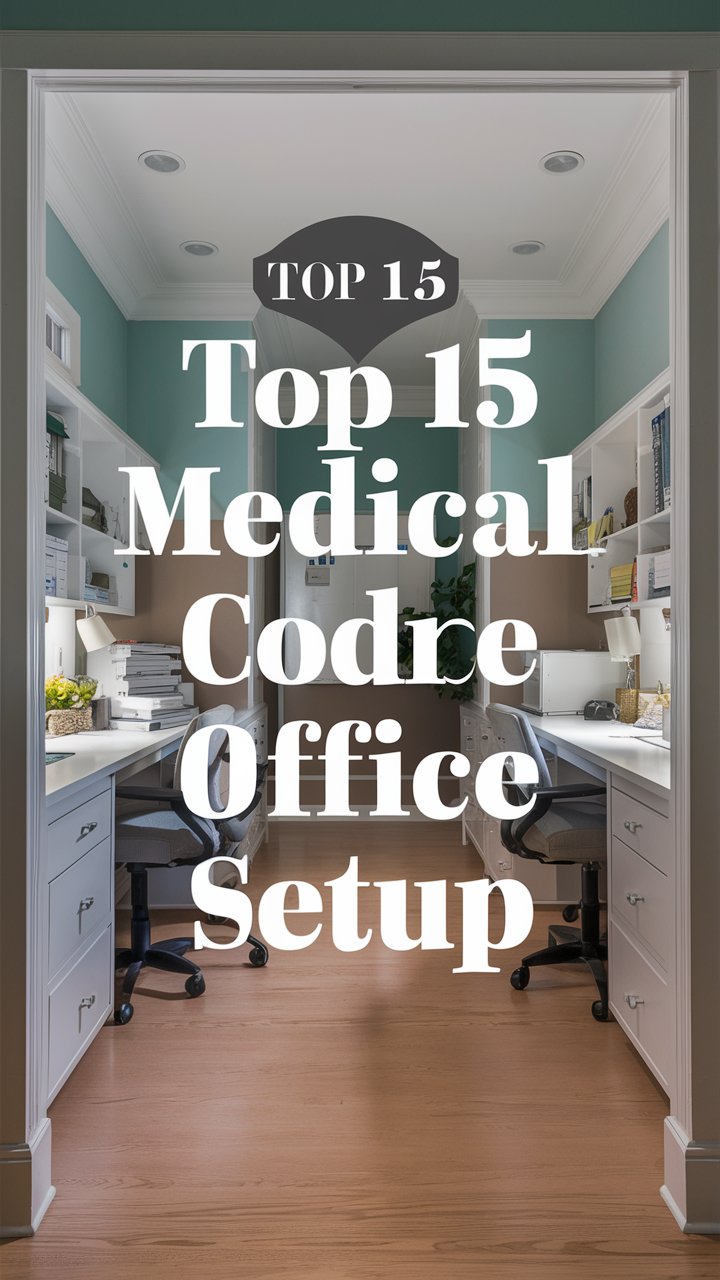
Essentials for a Successful Medical Coding Home Office Setup
Setting up a home office for medical coding requires careful consideration of various factors to ensure efficiency, productivity, and compliance. As a personal home owner who has experience in this field, I have gathered insights and tips on essential aspects of a successful medical coding home office setup.
1. Equipment for a Medical Coding Home Office Setup
Investing in the right equipment is crucial for a smooth medical coding workflow at home. Essential items include a reliable computer or laptop with sufficient processing power and memory, dual monitors for multitasking, a comfortable ergonomic chair to support long hours of sitting, a printer/scanner for document management, and a headset for clear communication during virtual meetings.
2. Ensuring HIPAA Compliance in a Home Office
HIPAA compliance is a top priority when handling sensitive patient information in a home office setting. Implementing secure data storage solutions, using encrypted communication tools, and establishing strict access controls are key steps to safeguarding patient privacy and confidentiality.
3. Necessary Software Programs for Efficient Medical Coding
Utilizing specialized medical coding software is essential for accurate code assignment and billing. Programs like AAPC Coder or Find-A-Code provide up-to-date code sets and reference materials, streamlining the coding process and reducing errors.
4. Ergonomic Considerations for a Medical Coding Home Office
Creating an ergonomic workspace is crucial for maintaining good posture and preventing musculoskeletal issues. Adjustable desk height, proper lighting, wrist rests, and keyboard trays can help reduce the risk of repetitive strain injuries and enhance overall comfort during coding tasks.
5. Creating a Productive Work Environment
Designing a conducive work environment is essential for maximizing productivity in a medical coding home office. Minimizing distractions, setting clear work schedules, and establishing a dedicated workspace can help focus attention and maintain concentration on coding tasks.
6. Security Measures for Protecting Patient Information
Implementing robust security measures is vital for safeguarding patient data from unauthorized access or breaches. Using firewalls, antivirus software, secure VPN connections, and regular data backups can help mitigate cybersecurity risks and ensure data integrity.
7. Organizational Strategies for Time Management
Effective time management is essential for meeting coding deadlines and maintaining productivity. Using task management tools, creating daily work schedules, setting realistic goals, and prioritizing tasks based on urgency can help streamline workflow and enhance efficiency in a medical coding home office setup.
By focusing on these essentials and implementing best practices, a medical coding home office can become a productive and compliant workspace for efficiently managing coding tasks and responsibilities.
Creating the Perfect Medical Coding Home Office Setup: 12 Unique Ideas to Optimize Your Workspace
When designing your medical coding home office setup, it’s essential to focus on functionality, comfort, and productivity. Here are 12 unique ideas to help you create a workspace that is tailored to your needs:
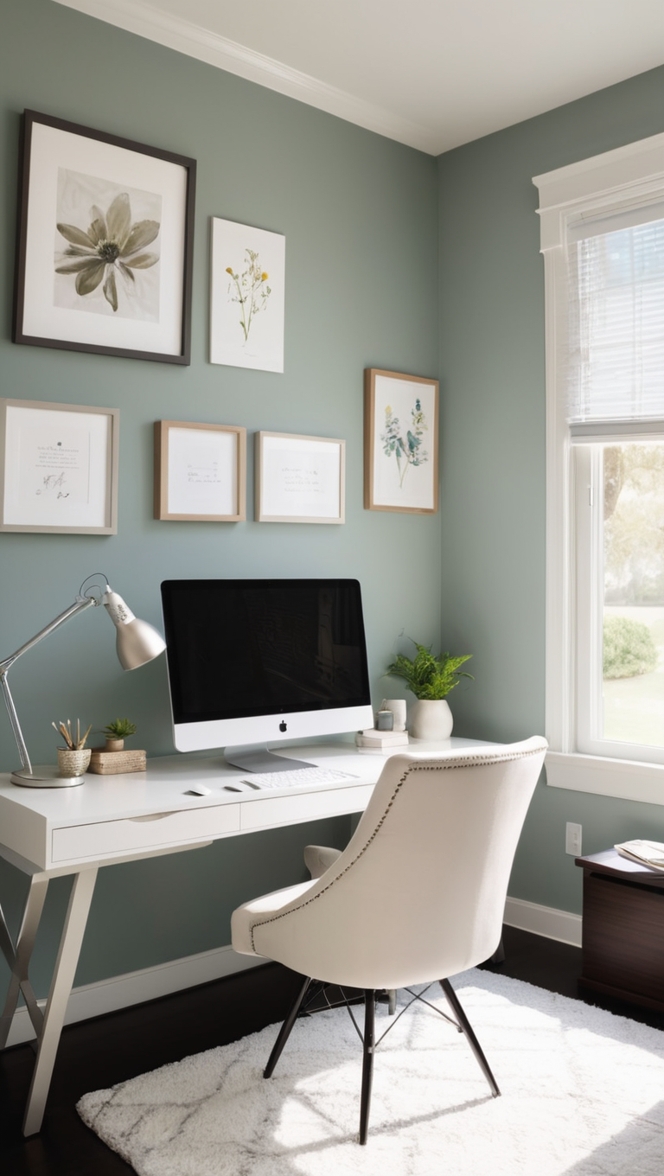
1. **Serene Sage Green**: Paint your office walls in a calming shade of sage green, such as Sherwin Williams’ “Sage” or Benjamin Moore’s “Sage Tint.” This color promotes a sense of tranquility and focus.
2. **Ergonomic Essentials**: Invest in an ergonomic chair and desk to support proper posture and reduce strain on your body during long hours of coding.
3. **Natural Light**: Position your desk near a window to maximize natural light, which can boost mood and productivity. Consider adding sheer curtains to control glare.
4. **Tech-Savvy Setup**: Equip your home office with a reliable computer, high-speed internet connection, and a dual-monitor setup for efficient multitasking.
5. **Clever Cable Management**: Use cable organizers and clips to keep cords tidy and prevent tripping hazards in your workspace.
6. **Personal Touches**: Add personal photos, artwork, or plants to your office space to create a welcoming and inspiring environment.
7. **Noise-Canceling Headphones**: Block out distractions and focus on your work with a pair of noise-canceling headphones.
8. **Task Lighting**: Install adjustable task lighting to illuminate your workspace and reduce eye strain while working on detailed coding tasks.
9. **Storage Solutions**: Utilize filing cabinets, shelves, and storage bins to keep your office organized and clutter-free.
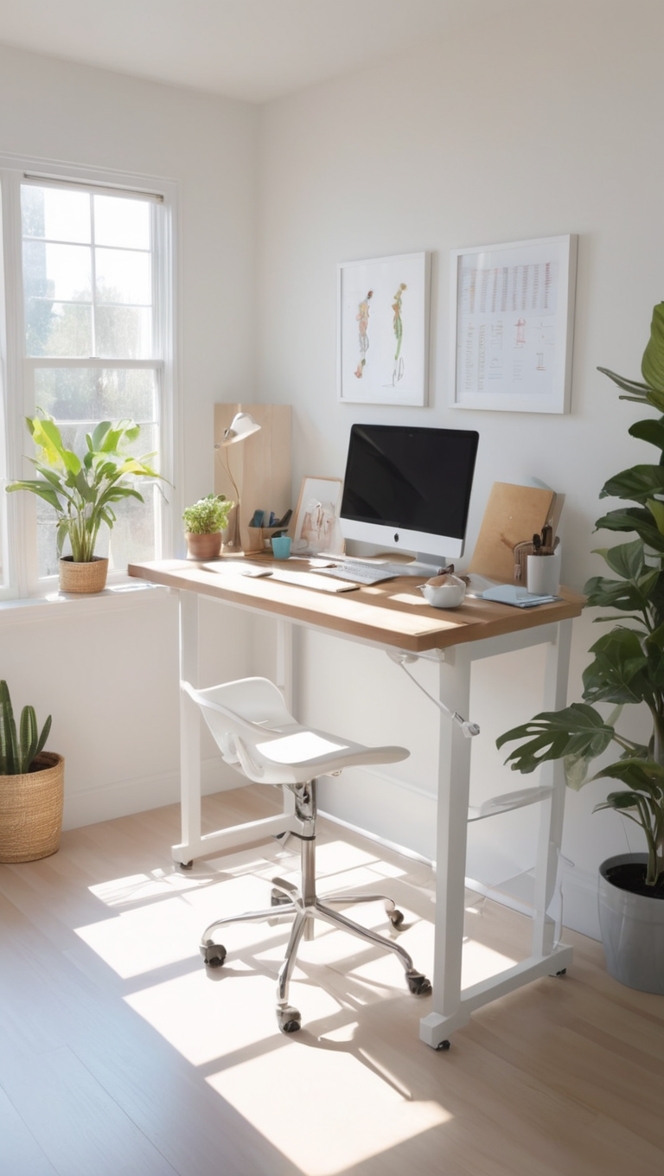
10. **Standing Desk Option**: Consider a convertible standing desk to alternate between sitting and standing throughout the day for better health and productivity.
11. **Inspiring Color Palette**: Choose a color scheme that energizes and motivates you, such as a combination of blues and greens for a sense of calm and creativity.
12. **Weekly Workspace Evaluation**: Set aside time each week to declutter, reorganize, and optimize your home office setup for maximum efficiency.
By incorporating these 12 unique ideas into your medical coding home office setup, you can create a space that promotes focus, comfort, and productivity. Remember to personalize your workspace to suit your preferences and work style, and regularly assess and adjust your setup to maintain an optimal work environment.